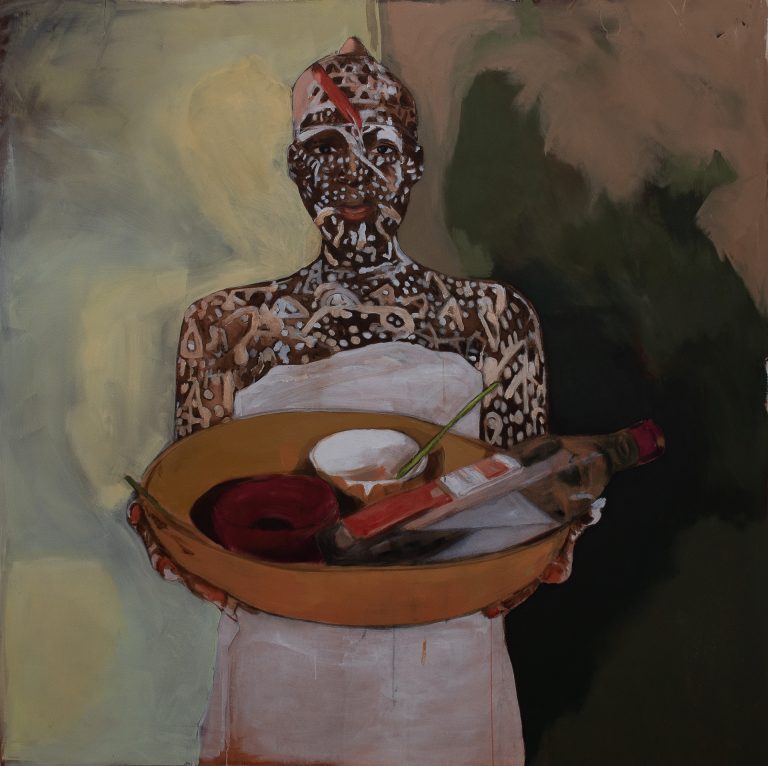
Baobá
Moisés Patrício
(São Paulo, São Paulo, 1984) Artista visual, arte educador e babalorixá, Moisés Patrício é graduado pela Escola de Comunicação e Artes da Universidade de São Paulo (ECA-USP).

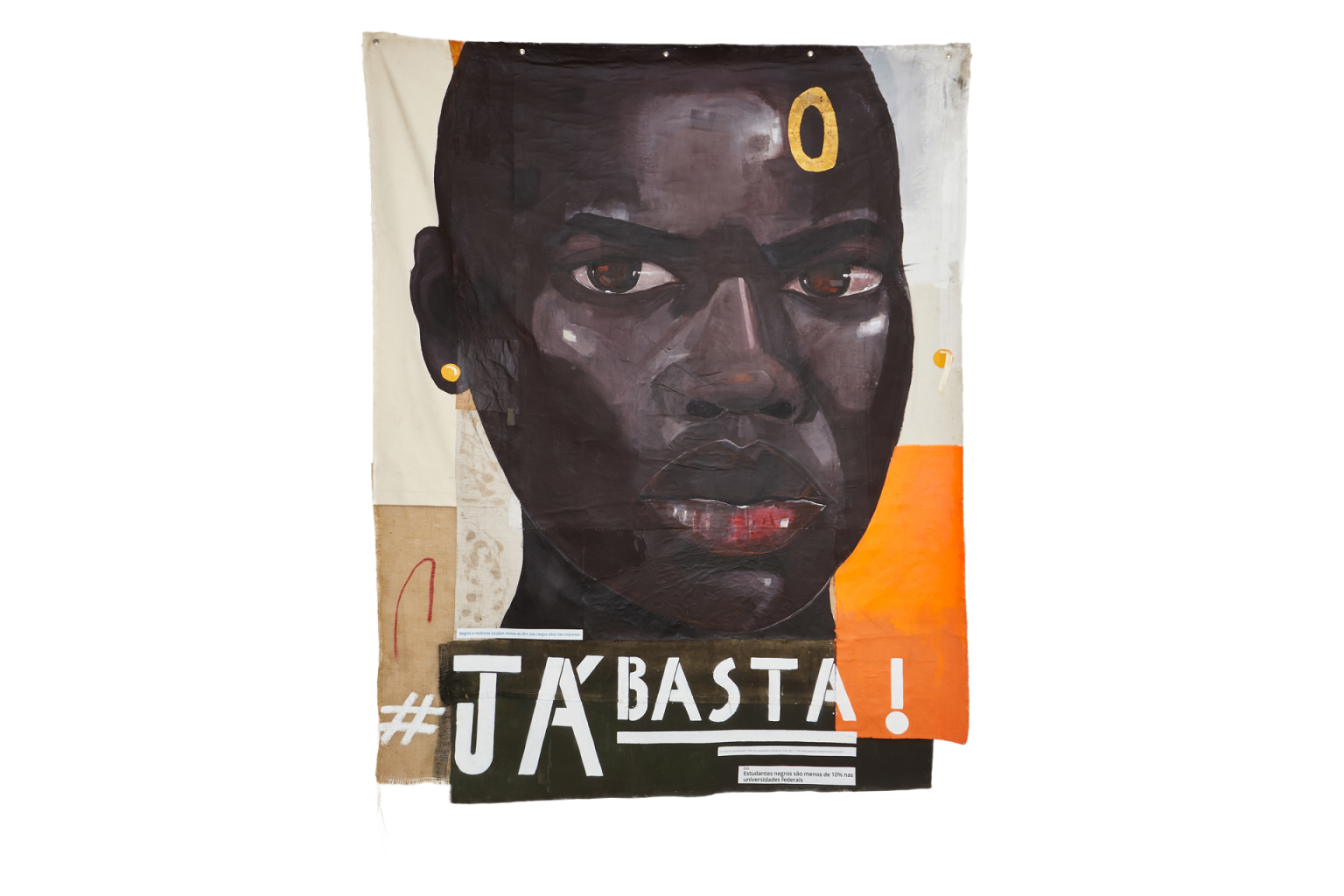
A centralidade do pensamento negro no campo das artes visuais brasileiras, em diferentes tempos e lugares. Essa é uma das principais premissas que norteiam o processo curatorial da mostra Dos Brasis – Arte e Pensamento Negro, a mais abrangente exposição dedicada exclusivamente à produção de artistas negros já realizada no país, que fez sua estreia em agosto de 2023, no Sesc Belenzinho, em São Paulo. A partir de 2024 uma parte da mostra circulará em espaços do Sesc por todo o Brasil pelos próximos 10 anos, começando pelo Centro Cultural Sesc Quitandinha.
(São Paulo, São Paulo, 1984) Artista visual, arte educador e babalorixá, Moisés Patrício é graduado pela Escola de Comunicação e Artes da Universidade de São Paulo (ECA-USP).
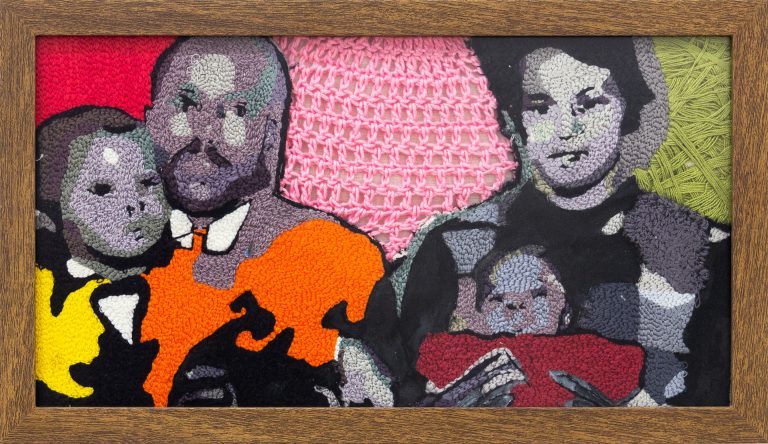
(São Leopoldo, Rio Grande do Sul, 1990) Artista têxtil e ilustradora, participou de Presença negra (Museu de Artes do Rio Grande do Sul), de mostra na Casa do Brasil de Lisboa (Portugal) e é criadora do projeto Mão Negra.
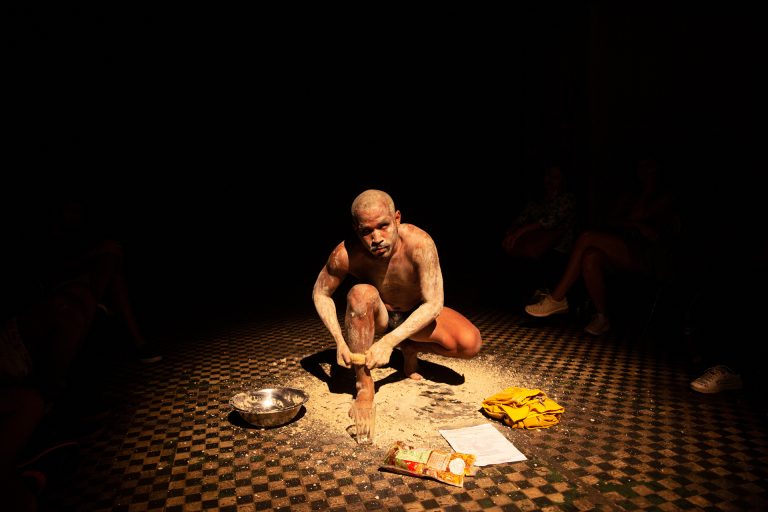
(Macapá, Amapá, 1993) É artista visual e doutorando em Psicologia pela Universidade Federal Fluminense (UFF).
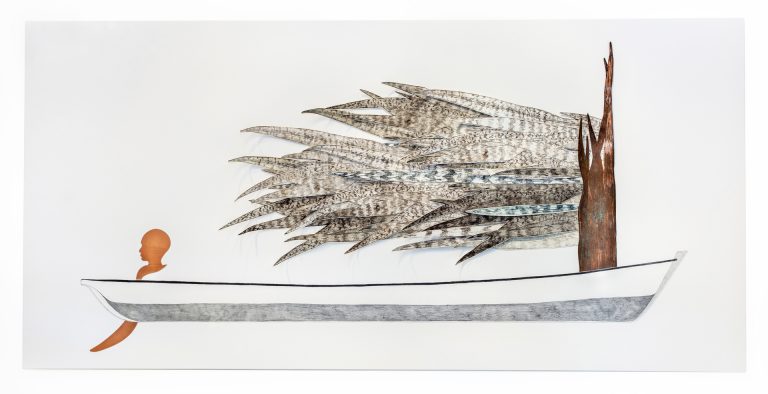
(Salvador, Bahia, 1962) Eneida Sanchez formou-se em Arquitetura e Urbanismo pela Universidade Federal da Bahia (UFBA), em 1990.
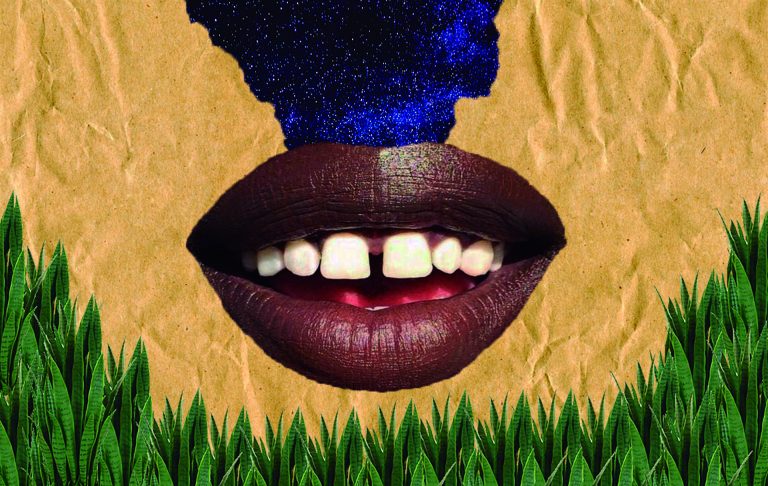
(São Luís, Maranhão, 1991) Multiartista visual, graduanda em Artes Visuais pela Universidade Federal do Maranhão (UFMA), participou de exposições como Um defeito de cor (Museu de Arte do Rio), Quilombo: vida, problemas e aspirações do negro (Instituto Inhotim) e 40º Arte Pará.
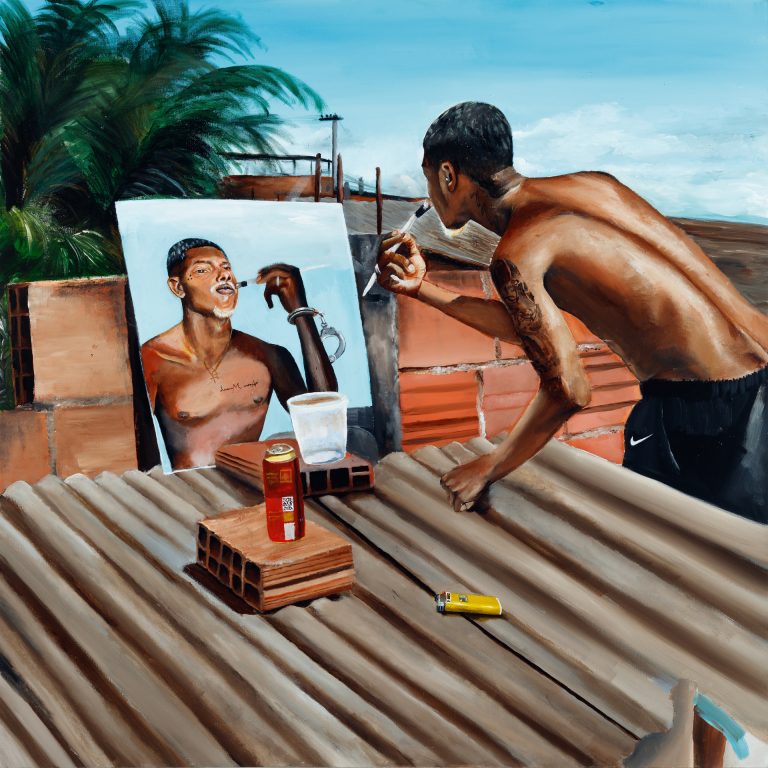
(Rio de Janeiro, Rio de Janeiro, 2001) Artista plástico original do Complexo do Chapadão, Johny Alexandre Gomes, ou JOTA, desde a infância apresentava uma afinidade com o desenho, e iniciou sua carreira divulgando seus quadros, incentivado por um colega de escola.

(Vila Velha, Espírito Santo, 1991) Doutoranda em Arte e Cultura Contemporânea pelo Programa de Pós-graduação em Artes da Universidade do Estado do Rio de Janeiro (UERJ), foi bolsista do Programa de Bolsas de Pesquisa do Museu de Arte do Rio de Janeiro | Capacete (2020).
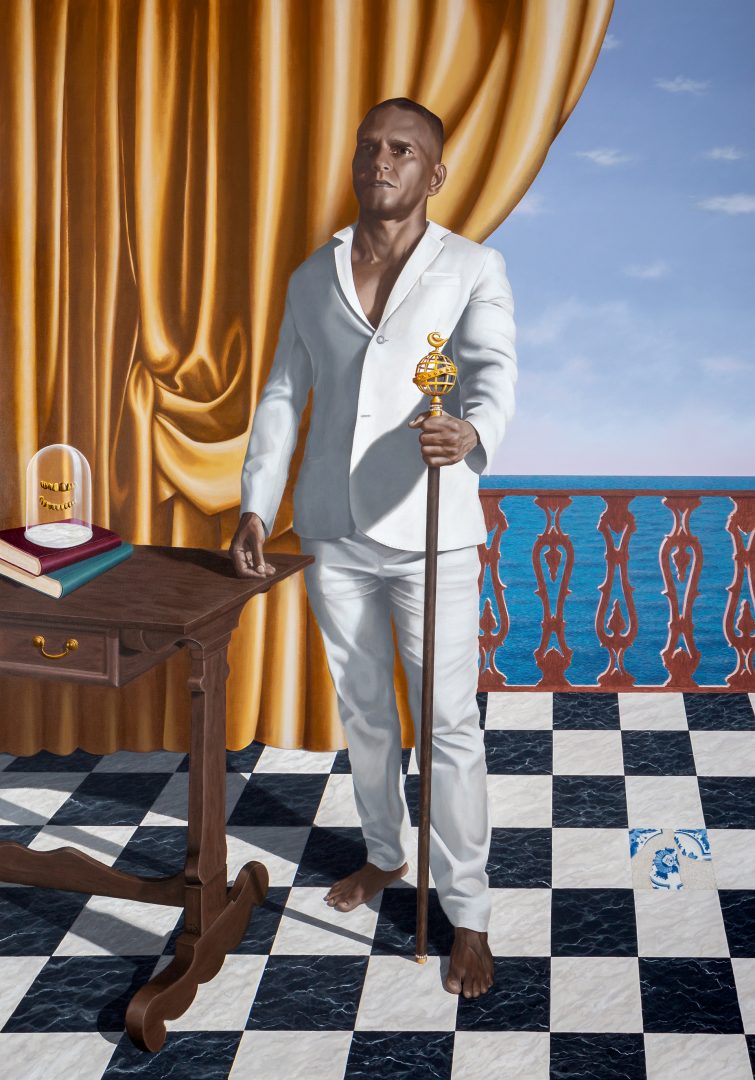
Writing about something that still has time to be realized requires a graceful movement that makes the most ingrained certainties in its structures tremble. On the other hand, many things already told, in a supporting way, take center stage here. We re-inscribe our canons. And, even if one day the exhibition comes to an end, the entire construction and the intentions that guide the project are characterized by movement: the flow of ideas, gestures, affection, paths, concepts, territories, encounters and people.
There are so many. Dos Brasis was, and is, an attempt to prove that black artists are here, always have been, and always will be. In many previous writings, I have mentioned the banner of the Frente 3 de Fevereiro group, which hung across the facade of the Assis Chateaubriand São Paulo Museum of Art (MASP). The action was part of the 2018 exhibition Histórias Afro-atlânticas [Afro-Atlantic histories]. It posed the timely question: where are the Blacks?”
ecently, I had the courage to say to two great black writers in Brazilian literature: “What you do is not fiction.” Ana Maria Gonçalves, author of Um Defeito de Cor [A Color Defect], was curious and, after reflecting a little, replied: “Yes, maybe.” Eliana Alves Cruz, author of Águas de Barrela [Lye Water], was more emphatic, saying that if it wasn’t fiction, from my point of view, I should try to explain it, as she had other interests, almost telling me, “I have more important things to do.”
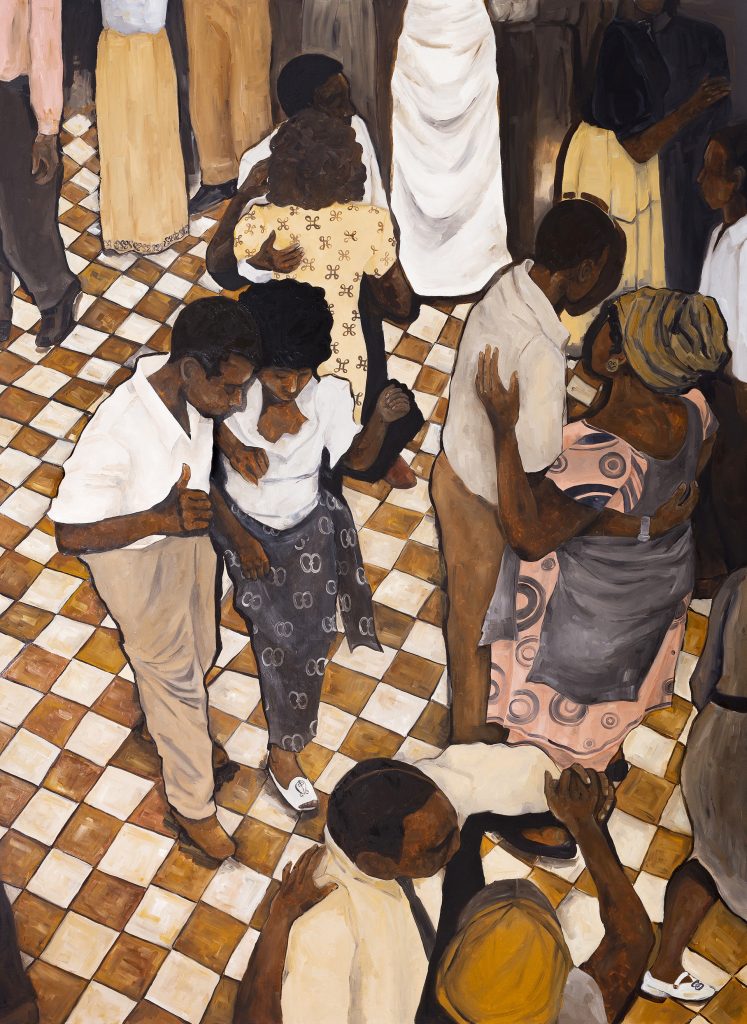
In December 2022, Igor Simões, Marcelo Campos and I went to the Beija-Flor Samba School in Nilópolis. The date was festive, we went together with our partners to celebrate Nara’s birthday, a black woman, mother, worker, who creates and sings worlds and futures for herself and her children, despite the turmoil in Brazil in which we live. In this past-present, the lives of Nara, Wilson and Clara Maria join with the histories and memories of so many other black Brazilians who, more than surviving, insist on living, despite Brazil.
The development of the educational curatorship2 of the project Dos-Brasis: Black Art and Thinking began in 2022, using educational research based on dialogues with black artists from different regions of the country. Starting from the centrality of the visual arts in connection with Afro-Brazilian history, the research sought to explain dynamics complementary to the premises proposed by curatorial thinking.
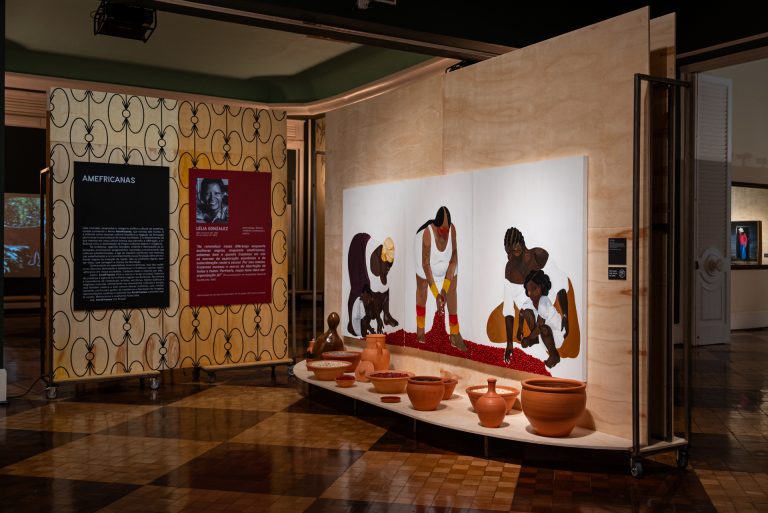
Lélia Gonzalez developed the political-cultural category of Amefricanity, coining the term Amefricans, which gives its name to this nucleus. The author understands Brazilian cultural neurosis as the denial of the pluriracial and pluricultural formation of our society. It is the understanding that we live in a white culture that has allowed the infiltration, influence and/or assimilation of black and indigenous cultural traits.
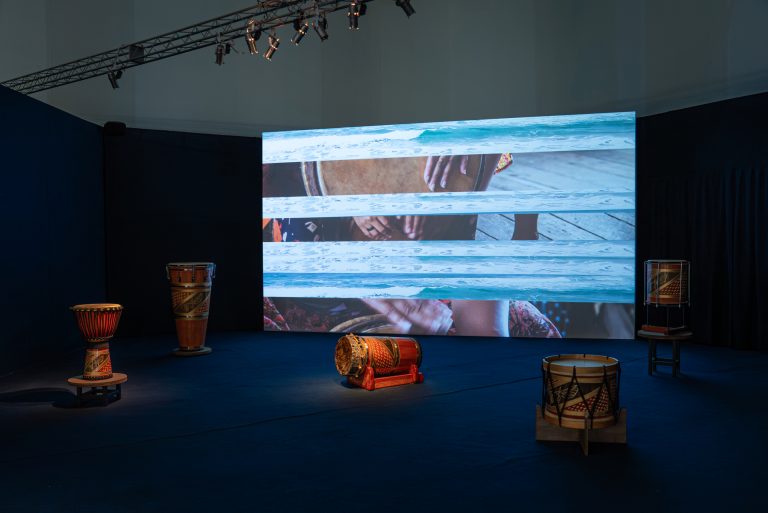
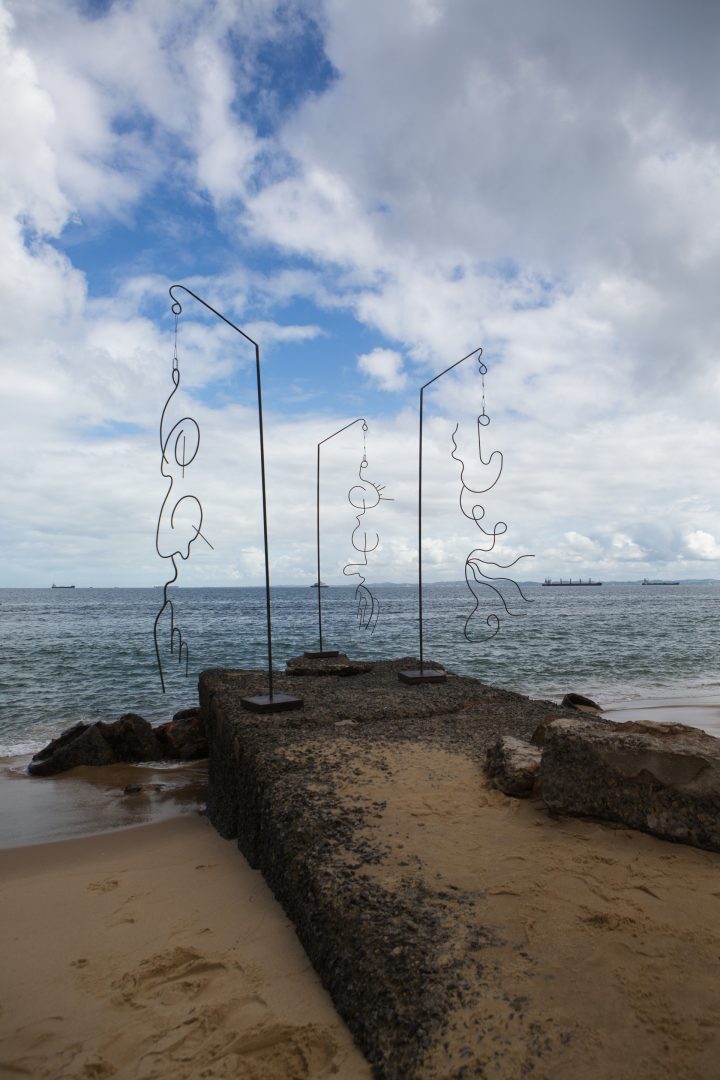
Baobab is the only nucleus whose name comes from the title of a work of art: the sculpture by Emanoel Araújo, one of the most important artists in the history of Brazil. Theorist, curator, administrator and creator of the Afro Brazil Museum, Araújo defended the idea that Afro-Brazilian art is produced by black people, challenging the perspective that this aspect would be a theme developed by white people.
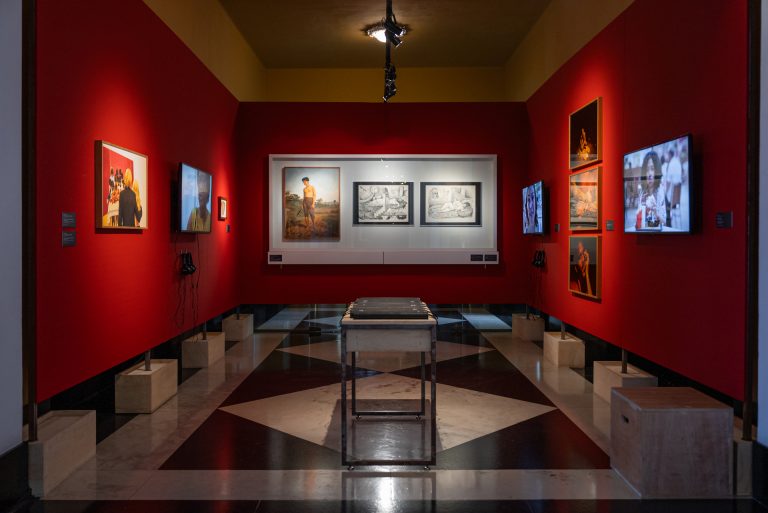
The title of this nucleus – White-Theme – refers to the concept “negro-tema” [black-theme] used by Guerreiro Ramos in Patologia Social do Branco Brasileiro [Social Pathology of the White Brazilian] (1955), when he criticizes the dehumanization of black people in the academic currents of the 20th century. It was also common to attribute to black people the social and economic problems generated by the racist project of modernity. In a strategic and contractual manner, by presenting the black person as a singular agent, the white person leaves the scene and hides his actions behind structural racism.
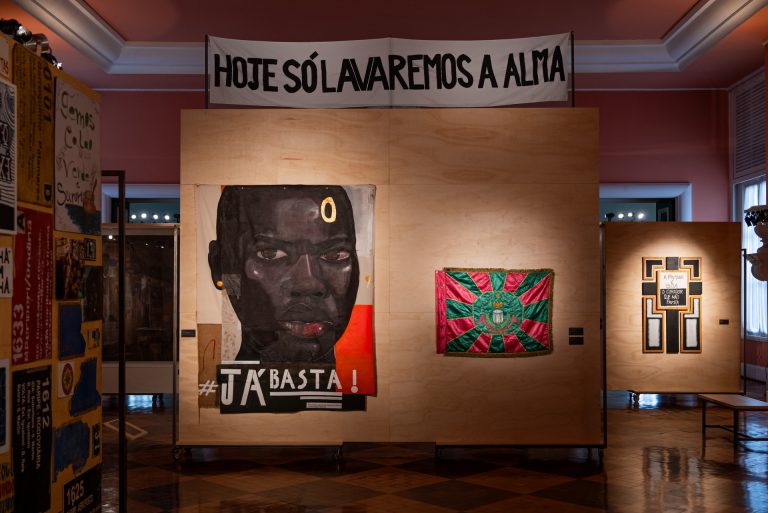
The memory of the black population in Brazil is epitomized in this paradigmatic phrase: “Every slave who kills his master acts in legitimate defense,” as Luiz Gama stated in 1881. Sold by his white father and taught to read and write by an acquaintance, Gama was the first black jurist in Brazil. This story reaffirms the importance of Legitimate Defense – the theme of this nucleus– not as a direct act of violence, but embodied in song lyrics, in protests, in the cry of defiance. As writer Audre Lorde reflected, it is through the “uses of anger” that the black population mobilizes.
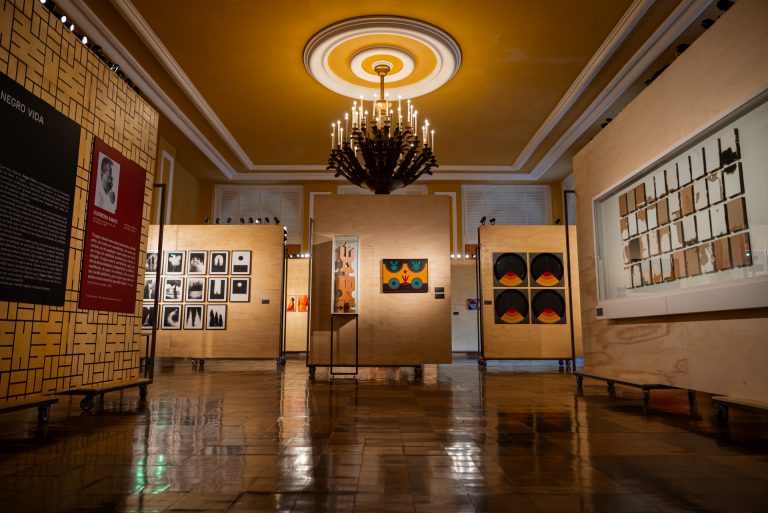
For Guerreiro Ramos, Black-Life is comparable to a river, echoing the notion of becoming. Black people – as the humans they are – are inapprehensible in unifying perspectives. Unlike black existence in the categories produced by the majority of white intellectuals, the existence of black people is multiform, unique, with different paths, choices and procedures.
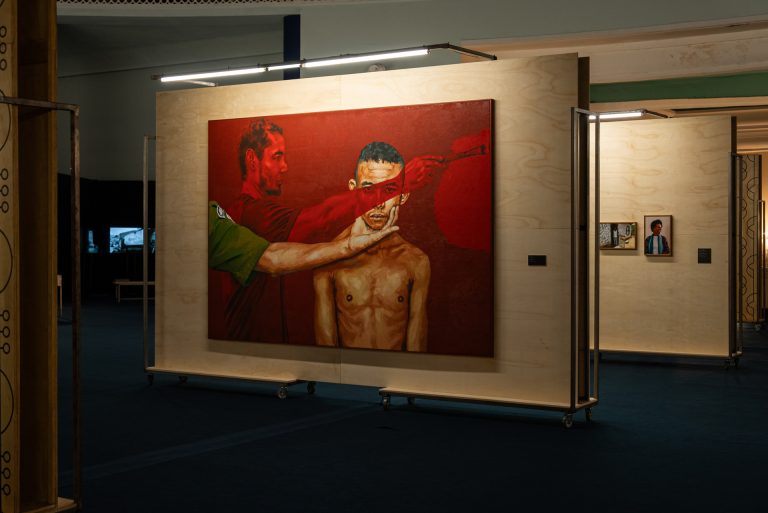
Brazil’s black population has always sought, organized and carried out means to resist the violence of slavery and coloniality, and exist beyond them. This is what the Organization Now nucleus addresses. The first quilombos [independent ex-slave communities] in the northeast region of Brazil date back to 1559. This way of politically reformulating a territory and social organization founded what we recognize – as Lélia Gonzalez does in her writings – as the cradle of a Brazilian nationality that truly legitimizes its plural character.
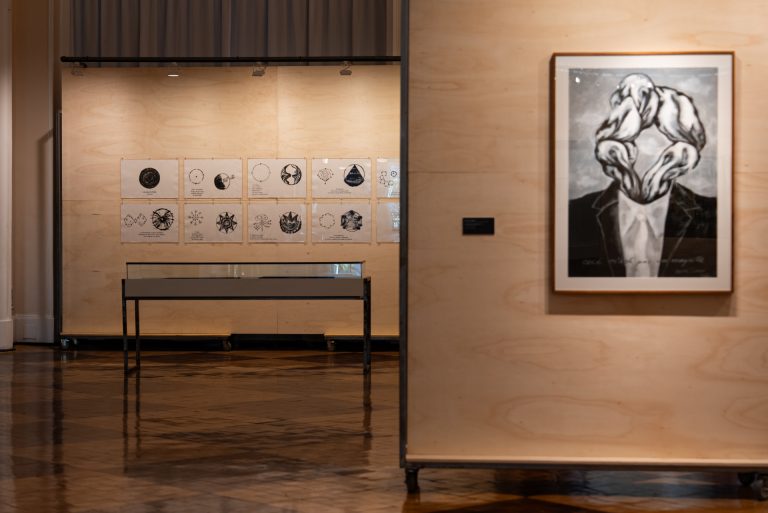
The history of what we call Brazilian art makes much more reference to the white numerical minority in the country than, in fact, to Brazil. Beatriz Nascimento’s conceptual enterprise teaches us, with her words, that “both the black and the Indian – that is, the people who lived here, together with the white people – still do not have their histories written”
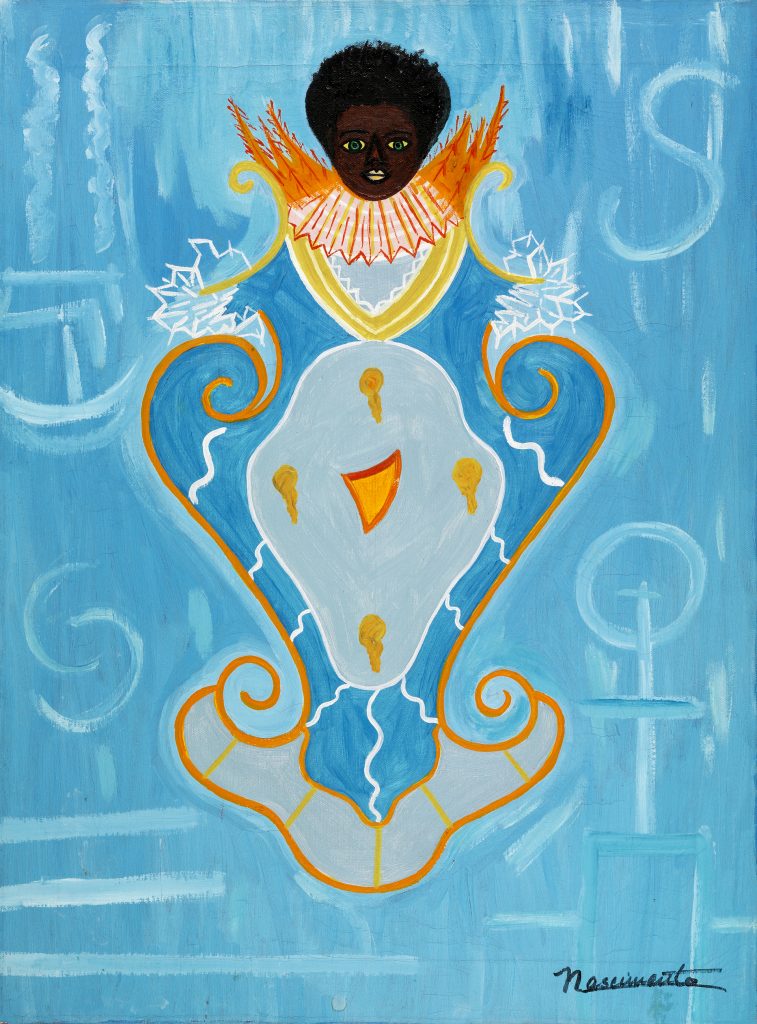
Pâmela Carvalho
Era um dia de São Jorge. Meu pai, devoto do Santo e filho de Ogum, sempre me lembrou da importância desta data. É um dia de fé e de festa. É dia de azul, mas também é dia de vermelho. É dia de Alvorada e de feijoada. Acordei, tomei banho e me vesti com as roupas e as armas de São Jorge.
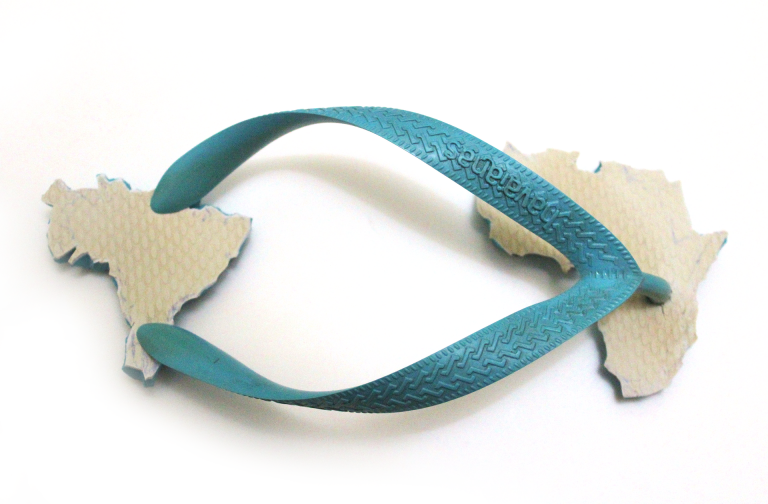
A obra Diáspora, de André Vargas, traz um elemento muito conhecido da população brasileira, o chinelo de dedo, mais precisamente da marca Havaianas. As Havaianas surgiram em 1962 como um chinelo de baixo custo, bastante usado pela população mais pobre, e hoje se tornou uma grife que exporta “brasilidade” internacionalmente.